Autumn Cross-Stitch Patterns: Conkers, Brambles and an English Countryside Autumn
I’m writing this with a warm cup of tea, watching the autumn leaves fall outside my window. It has just turned properly cold here in the UK and I’ve had to put the heating on, which always gives me that cosy, settling-in feeling. So I got into the autumn mindset and made my first collection of cross-stitch motifs, all themed around the season.
It has made me very nostalgic for the autumns of my youth. Growing up in the English countryside, autumn meant jumping in puddles, collecting conkers, and going on long walks where the leaves came up to my knees. That’s what I’ve tried to capture in this collection of autumn cross-stitch patterns. You can browse the whole thing in the autumn collection.
The leaves
I started with leaves, because they’re the classic symbol of autumn and a natural fit for pixel-style cross stitch.
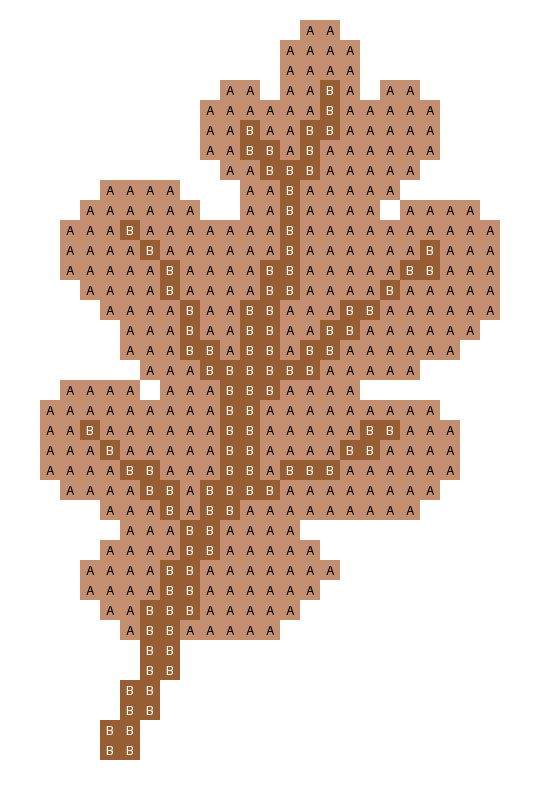
English oak: such a beautiful tree, with a rich heritage and history. Oaks can live for hundreds of years, and the English oak is woven into the countryside, from village greens and hedgerows to old parkland. It’s also a real hub for wildlife, supporting more insects than almost any other native tree, and the acorns feed jays, squirrels and woodland birds. The leaf itself is a joy to stitch, with its rounded lobes and deep notches, and it holds its shape well even on a small grid. Oak leaves turn a warm russet and tend to cling on longer than most, so they’re often still on the tree when everything else has come down. It felt like the right place to begin.
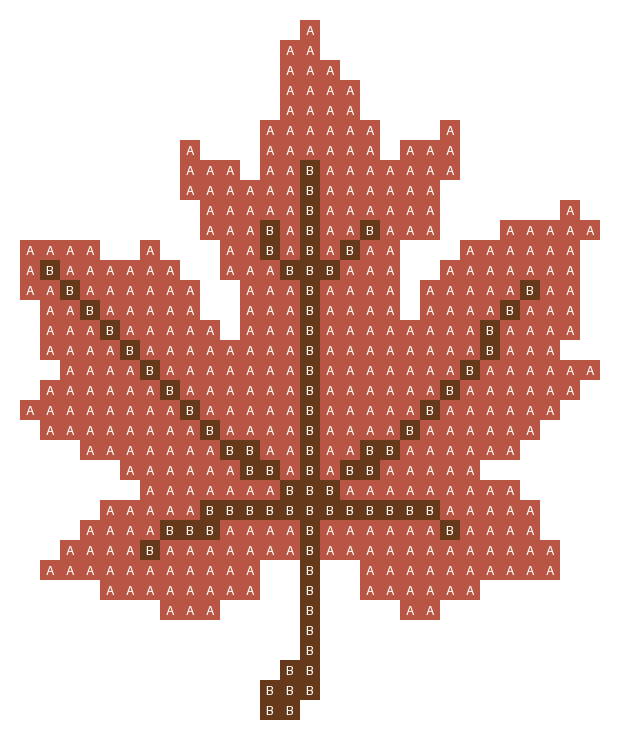
Maple: instantly recognisable, and glorious in autumn with those vibrant reds and oranges. The pointed lobes and the veins fanning out from a single point make it one of the easiest leaves to spot, even as a tiny pixel motif. The bright red and orange maples most people picture are North American, but we have our own in the UK too. The field maple is our only native one, and it turns a lovely golden yellow, while the Japanese maples in gardens and parks go a fiery red. I stitched mine in the classic orange-red, which gives the collection a real pop of colour next to the browns and sages.
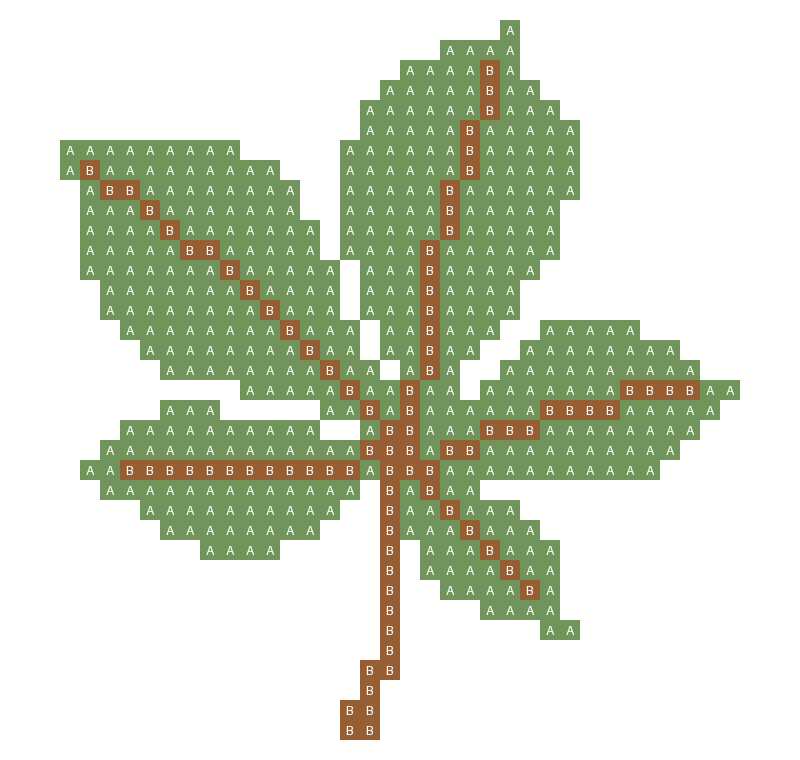
Horse chestnut: this one is from my own childhood. There’s a huge horse chestnut tree on the recreation ground in my village, and it always produced the best conkers. After school we’d trek up to the rec and fill plastic bags with them. It was a bit of a nightmare for my parents, who never knew what to do with so many conkers, but it was excellent fun for us.
Sycamore: this reminds me of my grandparents, who had a sycamore overlooking their garden. Every autumn the helicopter seeds fell all over the lawn. It was a chore for them, as they had to keep digging up seedlings, but I only remember how pretty it looked.
If you’re after autumn leaves cross stitch, these four make a good starting set. They’re small and they stitch up quickly.
Woodland walks and knee-deep leaves
Some of my favourite autumn memories are of woodland walks after the leaves had come down. There’s a particular kind of leaf pile you only get in October, when it’s deep, dry on top and a bit damp underneath. I’d wade through it with my legs disappearing up to the knee, kicking up as much as I could (my wellies never had a chance).
The sound is what I remember most. The crunch and rustle of the leaves underfoot, and the smell of damp earth and wet bark that only seems to turn up at this time of year. Every so often we’d stop to pick up an acorn or a particularly perfect leaf, and I’d come home with pockets full of woodland treasure.
That’s why the collection includes the small things you’d find on the woodland floor, like acorns, conkers, a toadstool and sycamore keys. They’re the things I always came home with, and they make lovely small cross-stitch motifs.
Going brambling
Autumn also meant going brambling, which is what we called blackberry picking. Late summer rolls into early autumn and suddenly the hedgerows are full of fruit, so out we’d go with a tub each and a plan to fill it.
I’d like to say we always came home with a full tub. In reality, a good portion of the haul went straight into our mouths, and we came home with purple fingers and a few scratches from the brambles. But it was worth it. There’s something very satisfying about picking your own fruit from the hedgerow, even when the best berries are always just out of reach.
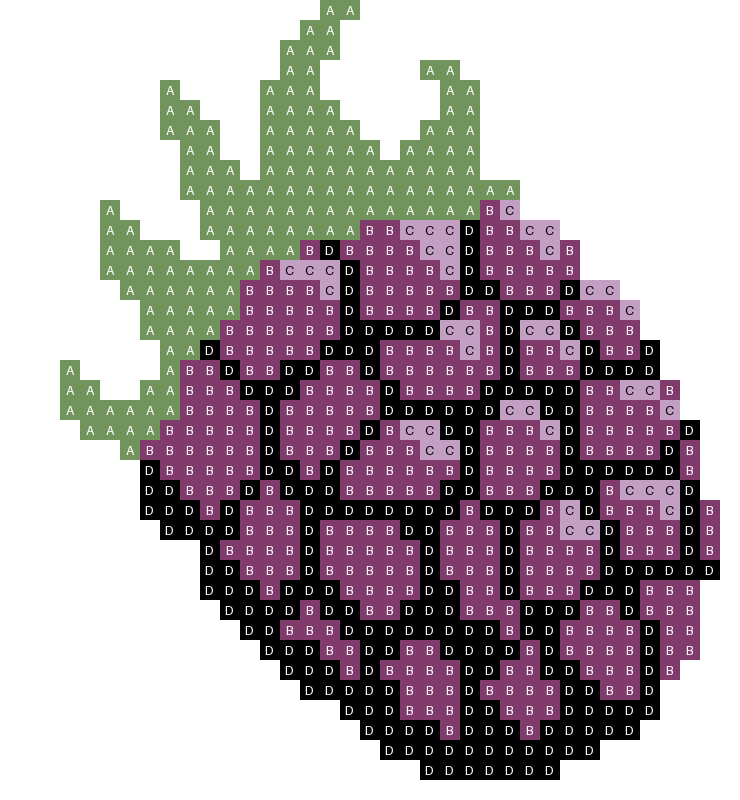
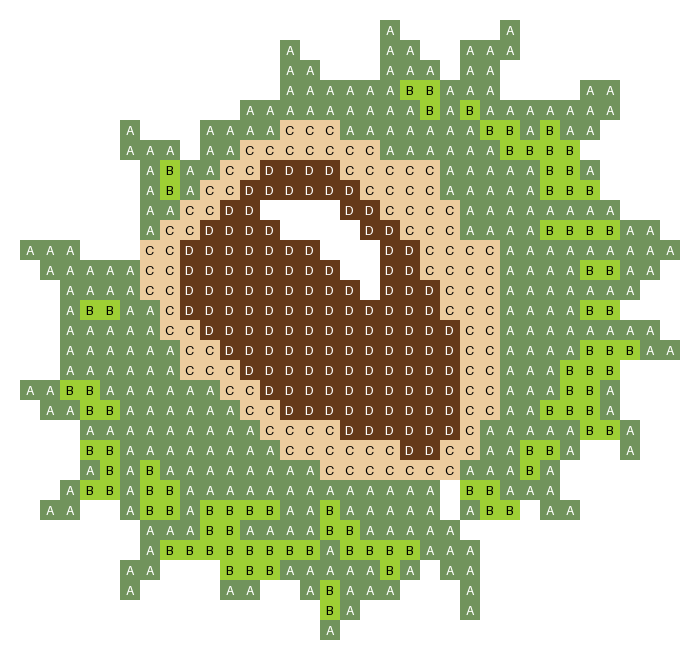
Blackberries have a lot going for them as a stitching subject. The glossy, plump segments (drupelets, if you want the proper word) give a lot of room for shading, and the deep purples look wonderful next to the oranges and browns of the other autumn motifs. My blackberry cross-stitch pattern is the most detailed in the collection, so it’s one for when you fancy a challenge.
Windfall apples and the smell of cider
The other great autumn job was picking up windfall apples. After a windy night the grass under the apple trees would be covered in fruit, and we’d go out and fill buckets with whatever hadn’t been spoilt. Some were bruised, some had been got at by wasps, and some were perfect. They went into crumbles, pies and more stewed apple than anyone could reasonably eat.
Then there’s the smell of cider. In the right part of the country, and at the right time of year, you can smell it in the air. It’s a sweet, slightly fermented, apple-heavy smell that drifts out from apple trees, and it says autumn more clearly than anything else. Even now, one whiff of it takes me straight back.
Apples and pears are classic English harvest motifs, so I stitched both, and they’d look lovely in a kitchen sampler. If you like fruit cross-stitch patterns, you could stitch the apple and pear together with the blackberry as a little hedgerow-and-orchard set.
Harvest time
Autumn was also harvest festival, when the village church was decked in bright oranges, reds and browns to celebrate the end of the harvest. It was also when we did a collection in the village for the local food bank, so that everybody had enough to eat. It’s one of the things I remember most about growing up in a village. The whole community came together, and the church looked wonderful.
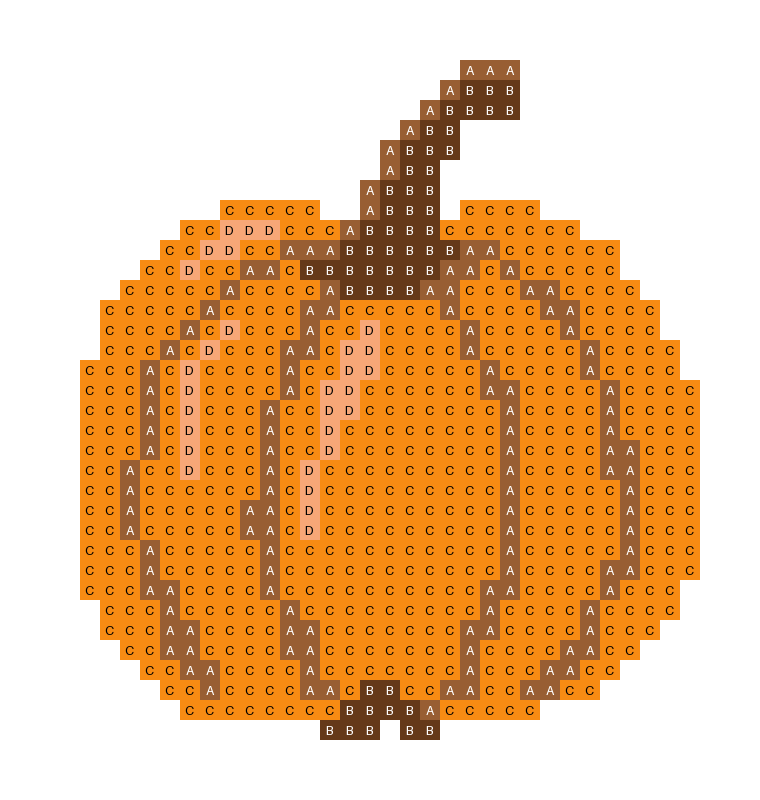
That’s why the collection goes beyond leaves to include a pumpkin, apples, pears and blackberries. A harvest cross-stitch pattern also works well for anyone stitching for a harvest festival display or a seasonal sampler.
Beyond the leaves
As well as the leaves, the collection includes:
- Acorn
- Conker
- Sycamore key (or helicopter seed, depending on what you called them growing up)
- Fly agaric toadstool
- Apple and pear
- Blackberry
- Pumpkin
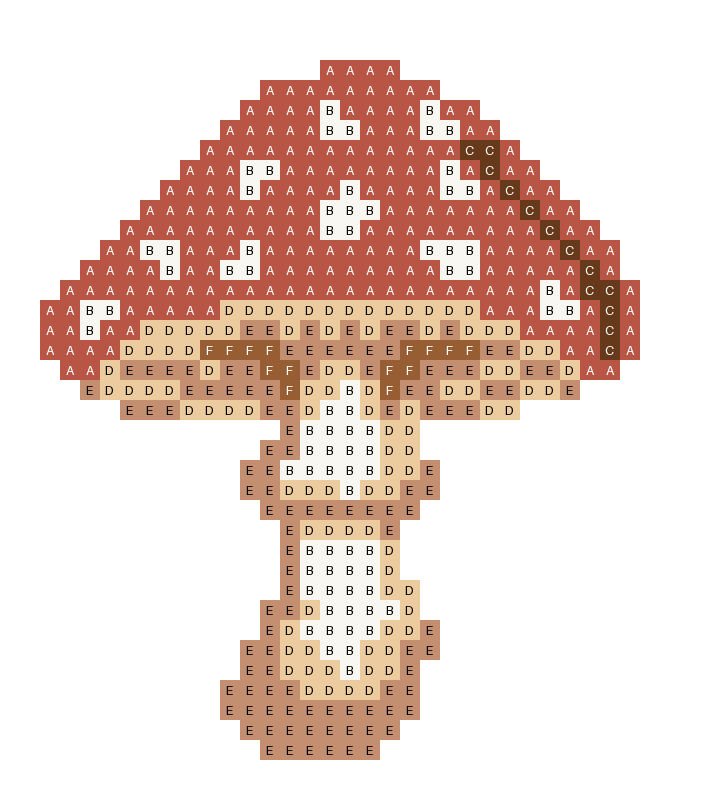
You can stitch each one on its own as a bookmark, an ornament or a greetings card, or combine several on one autumn sampler. I’ve kept the colour counts low where I can, so most of them are quick, beginner-friendly cross-stitch patterns. The blackberry and mushroom are a little more fiddly.
Three ways to bring autumn into your stitching
- Stitch a small set: pick three or four motifs, like an oak leaf, an acorn and a conker, and stitch them side by side on a long strip of Aida for a seasonal bookmark or mantelpiece piece.
- Make an autumn sampler: combine the leaves, fruit and woodland motifs into one larger piece. It’s a good way to use up leftover thread, and it makes a lovely autumn wall hanging.
- Stitch your own memories: you can turn your own images into cross-stitch patterns with the Heddle sampler designer. I’d love to see what autumn memories you stitch.